Summary
GibbsCAM 2024 adds Mill Cutoff for separating a completed part from bar stock with an end mill, side mill, or slitting saw. The available cutting styles and motion depend on the active machine definition, tool orientation, machine capabilities, and post processor.
Table of Contents
- What Changed in GibbsCAM 2024
- Before You Begin
- Procedure
- Related Video
- Best Practices
- Troubleshooting
- Related Articles
What Changed in GibbsCAM 2024
Important: Mill Cutoff behavior depends on the active MTM machine definition, tool orientation, machine capabilities, and post processor. Validate the complete motion before production use.
Before You Begin
• Use GibbsCAM 2024 with the required Mill or MTM options, approved machine definition, and validated post processor.
• Work from a backup and preserve a simulated and posted baseline before adding the cutoff operation.
• Confirm bar stock, coordinate systems, spindle and tool assignments, fixtures, and clearance after separation.
• Choose a physical tool and spindle orientation supported by the active machine configuration.
Procedure
Step 1 - Confirm the Setup
1. Open a copy of the job with the approved production machine definition and post processor.
2. Confirm the completed part, remaining bar stock, cutoff location, machining coordinate system, and required clearance.
3. Run Machine Simulation for the existing operations and resolve unexplained contact or program errors before adding Mill Cutoff.
Step 2 - Create the Mill Cutoff Operation
1. Drag a compatible Mill tool to an empty process tile, then select Mill Cutoff from the Mill process flyout.
2. Choose End Mill for a perpendicular spindle, or Saw/Slot Mill for a side mill or slitting saw held parallel to the work.
3. Define the tool, feeds, speeds, start and end data, depth, direction, coolant, stock use, machining coordinate system, and retraction behavior as applicable.
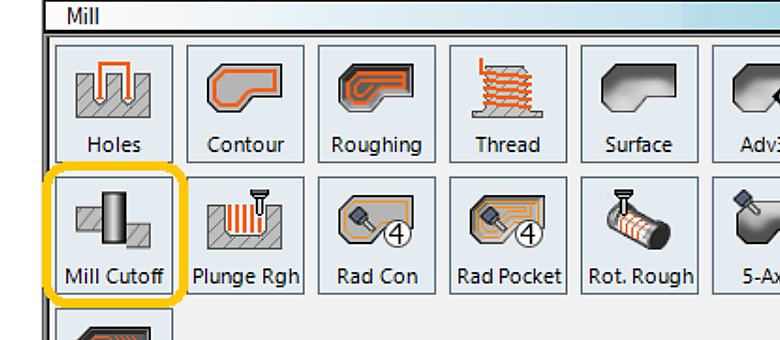
Figure 1 Select Mill Cutoff from the Mill process flyout Source: What's New in GibbsCAM 2024, p. 7
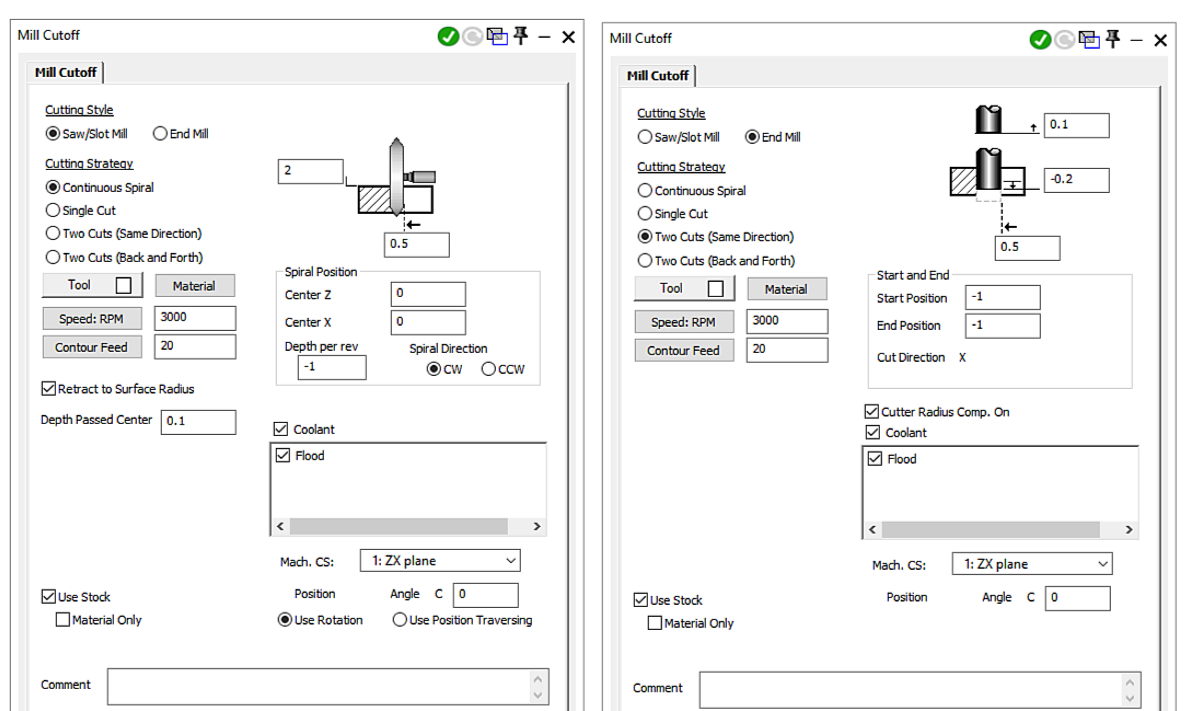
Figure 2 Configure the supported Saw or Slot Mill or End Mill style Source: What's New in GibbsCAM 2024, p. 7
Step 3 - Calculate and Inspect the Operation
1. Calculate the operation and inspect the approach, cutting motion, breakthrough, separation, and retract.
2. Confirm clearance from the finished part, remaining stock, spindles, fixtures, and nearby tooling.
3. Verify that the selected cutting style and tool orientation match the physical machine setup.
Step 4 - Simulate and Post
1. Run full Machine Simulation for the complete process list and resolve every unexplained collision, limit, or clearance warning.
2. Post with the approved production post and compare tool, spindle, work offset, rotary position, feed, speed, coolant, and transitions with the verified simulation.
3. Complete the approved machine prove-out before releasing the job.
Expected Result
• Mill Cutoff uses the selected milling tool and supported spindle orientation to separate the part.
• Approach, breakthrough, separation, and retract motion remain clear of the finished part, stock, fixtures, and machine components.
• Simulation and posted output agree with the approved setup and machine limits.
Related Video

Best Practices
• Qualify the machine definition and post before standardizing Mill Cutoff across similar jobs.
• Preserve the original job and the verified baseline toolpath before adding or changing the cutoff operation.
• Select the cutting style from the physical tool and spindle orientation, not from convenience.
• Use a controlled prove-out whenever the job, MDD, post, tool, or cutoff setup changes.
Troubleshooting
• Problem: Mill Cutoff is not available in the Mill process flyout.
Cause
• The job is not open in GibbsCAM 2024 or later.
• The selected tool, license, or machine definition does not expose the process.
Resolution
Confirm the GibbsCAM build, drag a compatible Mill tool to an empty process tile, and verify the intended license and machine definition. Record those details before contacting CAMCO if the process remains unavailable.
• Problem: The required Mill Cutoff style or machine motion is unavailable or unexpected.
Cause
• The tool does not match the selected End Mill or Saw/Slot Mill style.
• The active machine configuration cannot support the requested spindle orientation or motion.
Resolution
Verify the physical tool, cutting style, coordinate system, spindle assignment, and machine definition. Do not substitute unsupported motion; have CAMCO review the MDD and post requirements when needed.
• Problem: Simulation is correct but posted Mill Cutoff motion is unexpected.
Cause
• The job was posted with an unapproved or different post revision.
• The post or machine definition interprets spindle, rotary, or coordinate data differently than expected.
Resolution
Stop the release. Repost the verified job with the approved post, compare the output with the simulated setup, and provide CAMCO the job, MDD, post name and revision, GibbsCAM build, and expected motion.
Related Articles
• How to Machine Open Shapes in GibbsCAM
• Recommended Simulation Settings
Explore More from CAMCO
Visit the CAMCO website to learn more about:
• Downloads and Helpful Resources
Keywords
GibbsCAM 2024, Mill Cutoff, MTM, cutoff, bar stock, end mill, side mill, slitting saw, machine definition, post processor
Was this article helpful?
That’s Great!
Thank you for your feedback
Sorry! We couldn't be helpful
Thank you for your feedback
Feedback sent
We appreciate your effort and will try to fix the article