Summary
GibbsCAM 2024 adds Dynamic holder collision avoidance to most Triangle Mesh strategies and to Wireframe 2-Axis Rough. The control checks selected machining surfaces or collision-safe areas and applies separate clearances for the shaft, holder front, and holder back.
Table of Contents
What Changed in GibbsCAM 2024
Important: Collision avoidance is only as accurate as the tool assembly and protected geometry. Match the programmed assembly to the physical setup.
Before You Begin
• Use GibbsCAM 2024 with a supported Triangle Mesh strategy and the required machining options.
• Confirm the cutter, shaft, holder, stickout, and machine definition.
• Inspect the mesh and collision targets for missing or damaged facets.
• Save a baseline toolpath and record the approved clearance values.
Procedure
Step 1 - Select a Supported Strategy
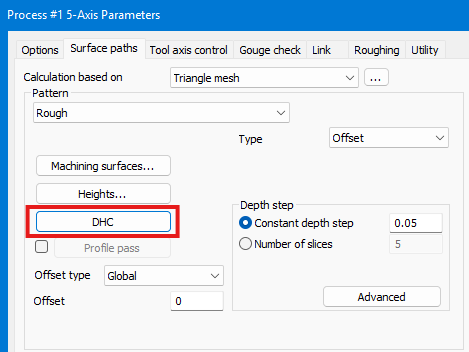
1. Set Calculation based on to Triangle Mesh and select a supported strategy, or use Wireframe 2-Axis Rough.
2. Confirm that Dynamic holder collision avoidance is available for that strategy.
3. Verify the selected mesh and the intended machining or safe areas.
Step 2 - Verify the Tool Assembly
1. Open the tool and holder definition used by the operation.
2. Match the cutter, shaft, holder shape, and stickout to the physical assembly.
3. Correct incomplete assembly data before calculating avoidance motion.
Step 3 - Configure Collision Avoidance
1. Open Dynamic holder collision avoidance.
2. Select the machining surfaces or collision-safe areas that must be protected.
3. Enter the approved Shaft, Holder front, and Holder back clearances.
4. Recalculate the operation.
Step 4 - Validate Avoidance Motion
1. Display the tool, shaft, and holder while reviewing every avoidance move.
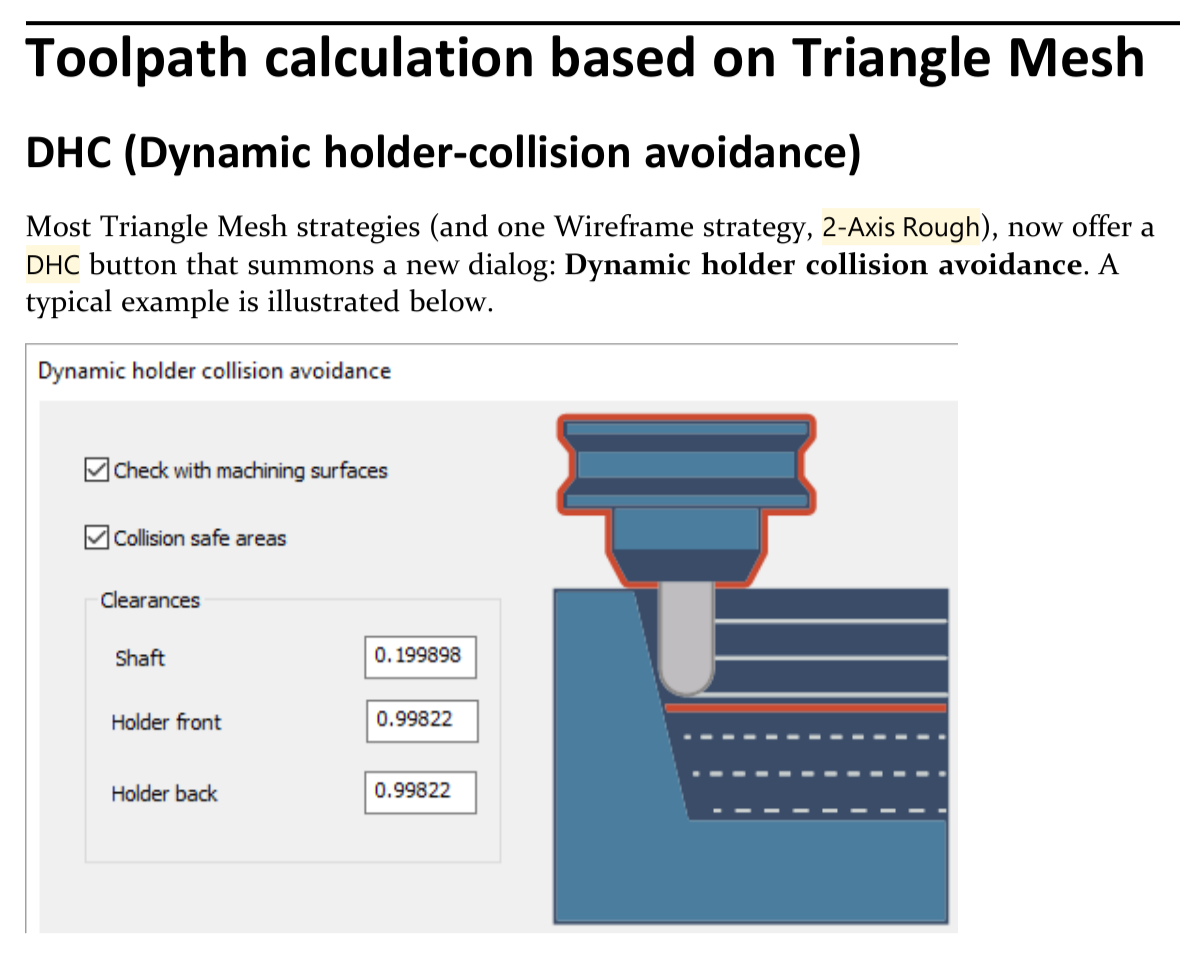
Figure 1 DHC separates shaft and holder clearances Source: What's New in GibbsCAM 2024, p. 27
2. Run Op Simulation and Machine Simulation with fixtures and machine components visible.
3. Confirm that the motion clears protected geometry without creating unacceptable air cutting or machine travel.
4. Review posted rotary and retract motion before a controlled prove-out.
Expected Result
• The selected strategy displays Dynamic holder collision avoidance.
• The calculated path uses the approved shaft and holder clearances around the selected targets.
• Simulation shows collision-free, reachable avoidance motion for the complete assembly.
Best Practices
• Use complete holder geometry and measured stickout values.
• Protect only the surfaces and areas required by the setup, then inspect the entire operation.
• Use shop-approved clearance values instead of reducing them only to shorten the path.
• Revalidate the operation whenever the tool assembly, mesh, fixture, or machine configuration changes.
Troubleshooting
• Problem: Dynamic holder collision avoidance is unavailable.
Cause
• The selected strategy does not support the control.
• The required GibbsCAM option or 2024 feature set is not active.
Resolution
Confirm the installed options and select a supported Triangle Mesh strategy. Wireframe 2-Axis Rough also supports this control in GibbsCAM 2024.
• Problem: Holder interference remains in simulation.
Cause
• Holder geometry, stickout, or protected geometry is incomplete.
• A clearance is too small or the wrong surfaces are selected.
Resolution
Correct the physical assembly and collision targets, apply approved clearances, recalculate, and simulate the entire operation again.
• Problem: Avoidance motion is excessive.
Cause
• Clearances are larger than required.
• Too many surfaces or safe areas are included in the collision check.
Resolution
Compare the settings with the setup standard, correct the protected geometry, and retest without reducing clearance below the approved value.
• Problem: Workspace and Machine Simulation results differ.
Cause
• The operation and simulation use different tool assemblies or machine files.
• The operation was not regenerated after the assembly changed.
Resolution
Reload the approved machine and tool data, regenerate the path, and restart simulation from a clean state. Send a Pack and Go package if the mismatch remains.
Related Articles
• Using Facet Bodies for Toolpath in GibbsCAM
• Recommended Simulation Settings
• How to Create a Pack and Go File
Explore More from CAMCO
Visit the CAMCO website to learn more about:
• Downloads and Helpful Resources
Keywords
GibbsCAM 2024, Triangle Mesh, Dynamic holder collision avoidance, DHC, holder clearance, shaft clearance, collision-safe area, stickout, Machine Simulation
Was this article helpful?
That’s Great!
Thank you for your feedback
Sorry! We couldn't be helpful
Thank you for your feedback
Feedback sent
We appreciate your effort and will try to fix the article